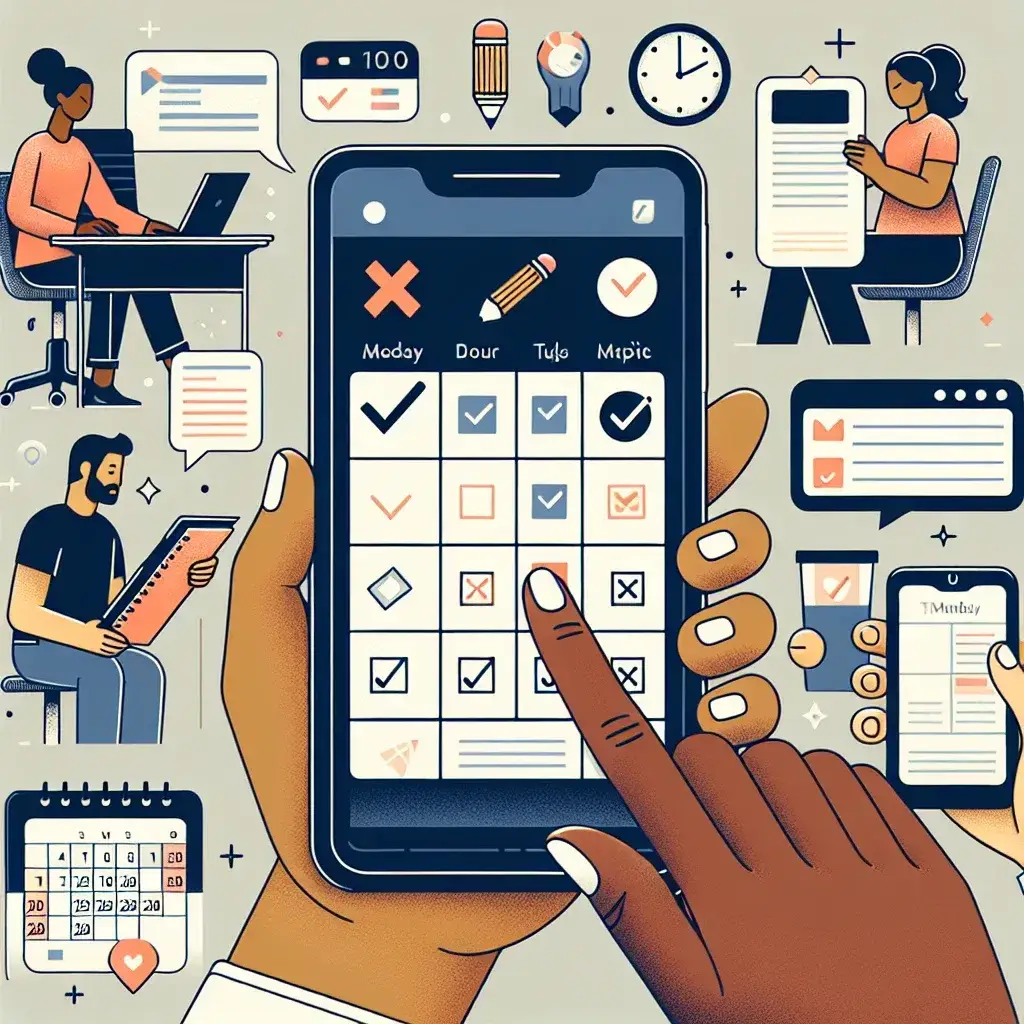

In today’s fast-paced digital world, staying organized and maintaining productivity has become more challenging than ever. With countless responsibilities, deadlines, and commitments pulling us in different directions, the need for effective daily planning and organization tools has reached unprecedented levels. Fortunately, technology offers a solution through sophisticated mobile and desktop applications designed specifically to help individuals manage their time, tasks, and goals more efficiently.
The Digital Revolution in Personal Organization
The evolution from traditional paper planners to digital organization apps represents a fundamental shift in how we approach productivity. Modern planning applications offer features that were unimaginable just a decade ago, including real-time synchronization across devices, intelligent reminders, collaborative features, and advanced analytics to track progress and identify patterns in our daily routines.
Research indicates that individuals who use digital planning tools are 23% more likely to achieve their goals compared to those relying solely on traditional methods. This statistic underscores the transformative power of well-designed organization apps in enhancing personal and professional productivity.
Categories of Planning and Organization Apps
Task Management Applications
Task management apps form the backbone of digital organization. These applications allow users to create, prioritize, and track tasks across various projects and contexts. Leading examples include:
- Todoist: Offers natural language processing for quick task entry and sophisticated project organization features
- Any.do: Provides a clean, intuitive interface with voice input capabilities and location-based reminders
- Microsoft To Do: Integrates seamlessly with the Microsoft ecosystem and offers shared lists for collaborative planning
Calendar and Scheduling Apps
Beyond basic appointment scheduling, modern calendar apps offer intelligent features that help optimize time allocation and prevent scheduling conflicts:
- Google Calendar: Features smart scheduling suggestions and automatic event creation from emails
- Fantastical: Provides natural language event creation and beautiful visual design
- Calendly: Streamlines appointment booking with customizable availability windows
Note-Taking and Information Management
Effective organization extends beyond tasks and appointments to include information management. Note-taking apps serve as digital repositories for ideas, research, and reference materials:
- Notion: Combines notes, databases, and project management in a highly customizable workspace
- Evernote: Offers powerful search capabilities and document scanning features
- Obsidian: Creates interconnected knowledge networks through linked notes
Key Features to Consider When Choosing Organization Apps
Cross-Platform Synchronization
The ability to access your planning data across multiple devices is crucial in today’s mobile-first world. Look for apps that offer seamless synchronization between smartphones, tablets, and desktop computers, ensuring your information is always accessible when needed.
Integration Capabilities
The most effective organization apps don’t operate in isolation. They integrate with other tools in your digital ecosystem, such as email clients, cloud storage services, and communication platforms. This interconnectedness reduces friction and eliminates the need for manual data entry across multiple systems.
Customization and Flexibility
Different individuals have varying organizational styles and preferences. The best planning apps offer extensive customization options, allowing users to tailor the interface, workflows, and features to match their specific needs and working patterns.
The Psychology Behind Effective Digital Planning
Understanding the psychological principles that make digital planning effective can help users maximize the benefits of organization apps. The concept of cognitive offloading plays a crucial role – by externalizing our mental to-do lists into digital systems, we free up cognitive resources for more creative and strategic thinking.
Additionally, the visual representation of progress through completed tasks and achieved goals triggers the release of dopamine, creating a positive feedback loop that encourages continued use and productivity improvement.
Habit Formation Through Digital Tools
Organization apps excel at supporting habit formation through features like streak tracking, daily reminders, and progress visualization. Research from behavioral psychology suggests that it takes an average of 66 days to form a new habit, and digital tools can provide the consistent reinforcement needed throughout this process.
Industry Trends and Future Developments
The planning and organization app market continues to evolve rapidly, with several emerging trends shaping the future of digital productivity:
Artificial Intelligence Integration
AI-powered features are becoming increasingly sophisticated, offering predictive scheduling, automatic task prioritization, and intelligent content suggestions. These capabilities help users make better decisions about time allocation and task management.
Voice Interface Technology
Voice-activated planning tools are gaining popularity, allowing users to capture ideas and create tasks hands-free. This technology is particularly valuable for busy professionals who need to update their planning systems while multitasking.
Wellness and Work-Life Balance Features
Modern organization apps increasingly incorporate features designed to promote work-life balance, including time-blocking for personal activities, burnout prevention alerts, and integration with health and fitness tracking.
Selecting the Right App for Your Needs
Assessing Your Planning Style
Before choosing an organization app, it’s essential to understand your personal planning preferences. Some individuals thrive with detailed, structured systems, while others prefer flexible, minimalist approaches. Consider factors such as:
- Your preferred level of detail in task descriptions
- The importance of visual elements versus text-based organization
- Your collaboration needs with family members or colleagues
- The complexity of your scheduling requirements
Trial Period Strategy
Most premium organization apps offer free trial periods or freemium models. Take advantage of these opportunities to test multiple applications before committing to a paid subscription. During the trial period, focus on evaluating how well the app integrates into your existing routines and whether it genuinely improves your productivity.
Implementation Best Practices
Gradual Adoption Approach
Successfully implementing a new organization system requires patience and gradual adoption. Start by using the app for one specific area of your life, such as work tasks or personal projects, before expanding to other areas. This approach prevents overwhelm and allows you to develop proficiency with the app’s features progressively.
Regular Review and Optimization
Effective digital organization requires ongoing maintenance and optimization. Schedule weekly or monthly reviews to assess what’s working well and what needs adjustment. Many successful users find that regular system reviews are crucial for maintaining long-term productivity gains.
Data Backup and Security Considerations
As your organization app becomes central to your daily routine, ensuring data security and backup becomes increasingly important. Choose apps from reputable developers with strong security practices, and regularly export your data as an additional backup measure.
Measuring Success and ROI
To determine whether your chosen organization app is delivering value, establish clear metrics for success. These might include:
- Percentage of tasks completed on time
- Reduction in missed appointments or deadlines
- Improved work-life balance indicators
- Decreased stress levels related to organization and planning
Many apps provide built-in analytics and reporting features that can help track these metrics over time, providing valuable insights into your productivity patterns and areas for improvement.
Conclusion
The landscape of apps for daily planning and organization offers unprecedented opportunities to enhance productivity and achieve better work-life balance. By understanding your personal needs, carefully evaluating available options, and implementing chosen tools gradually and thoughtfully, you can harness the power of digital organization to transform your daily routine.
The key to success lies not in finding the perfect app, but in consistently using the tools you choose and continuously refining your approach based on real-world results. As technology continues to evolve, these digital assistants will become even more sophisticated, offering new possibilities for personal and professional organization that we can barely imagine today.
Whether you’re a busy professional juggling multiple projects, a student managing coursework and extracurricular activities, or someone simply looking to bring more structure to daily life, the right planning and organization app can serve as a powerful catalyst for positive change and improved productivity.


